Taking Fear Out of the Game: The Secret to Unlocking True Athlete Potential
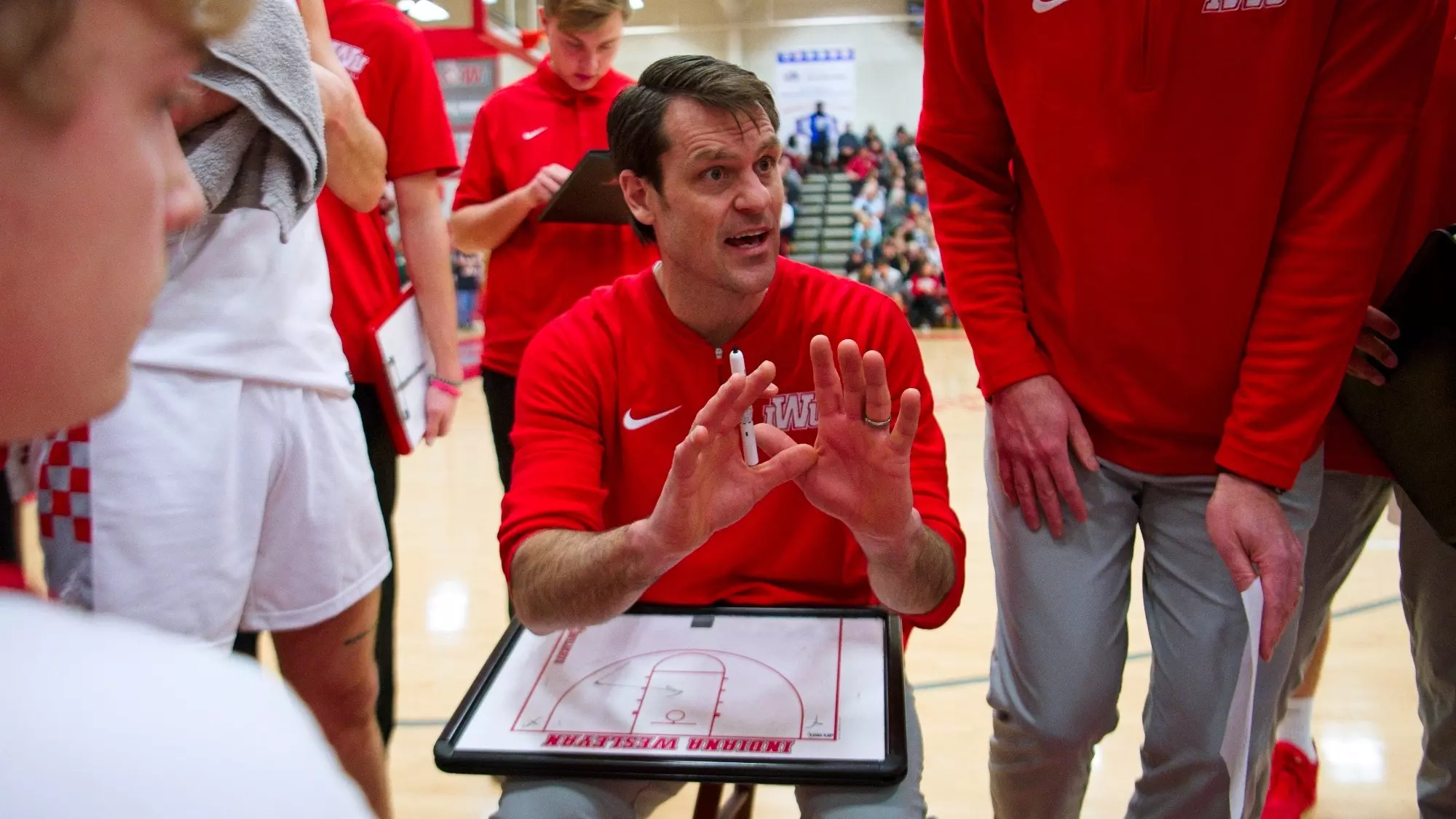
One of the most powerful transformations in modern coaching is the conscious decision to remove fear from the game. The days of motivating athletes solely through intimidation and anxiety are over. Today’s most successful coaches realize that fear isn’t a sustainable motivator—it paralyzes players, limits growth, and stunts team chemistry. Championship coach Greg Tonagel, guest on the Mental Mettle Podcast, is a standout example of why taking fear out of sports completely changes the trajectory of athletes—and entire programs.
Watch the Mental Mettle Podcast featuring Coach Greg Tonagel
Greg Tonagel’s Proven Pedigree
Greg Tonagel brings exceptional credibility to this conversation. As head coach at Indiana Wesleyan University, Tonagel has won three NAIA National Championships in men’s basketball, mentored 27 NAIA All-Americans, captured 13 regular season conference titles and 5 league tournament crowns, and coached several National Players of the Year. Most impressively, he became the youngest coach in collegiate history—at any level—to reach 500 career wins, achieving a record of 500-129 in just 629 games. Tonagel also played Division I basketball at Valparaiso University, leading his team to multiple NCAA Tournament appearances.
His approach works not just because of X’s and O’s, but because of the major culture shift he orchestrated: embracing transformational leadership and the courage to remove fear from his coaching style.
From Fear as a Motivator to Fear as a Paralyzer
In the mid-90s, legendary coaches like Bob Knight dominated college basketball using fear-based tactics. Many coaches, especially in Indiana, believed that instilling fear would push athletes to new heights. For a while, it seemed effective—teams won games, and players hustled to avoid mistakes. But over time, the mentality of both athletes and parents shifted. Fear, once considered a motivator, is now widely recognized as a paralyzer.
Athletes under constant fear of failure or criticism stop taking risks. They play not to lose, rather than to win. The result: teams that are anxious, hesitant, and often crumble under pressure.
The Shift: Embracing Fearless Coaching
Coach Tonagel admits he initially followed this old-school, fear-based model—even waking up at 5 a.m. out of fear of being outrun. But as burnout increased and his teams hit a ceiling, he made a pivotal shift: what if basketball could be played without fear? The answer redefined success for his program.
When he implemented a fearless mentality, his teams:
- Performed beyond expectations—even less talented squads found new levels of performance
- Played with genuine joy and engagement
- Saw mistakes become chances to grow, not sources of shame
- Built contagious confidence across the roster
How to Remove Fear in Coaching
- Shift feedback from negative to growth-focused: Use film study to highlight progress and growth, not just mistakes.
- Foster an environment where failure is a step, not a setback: Teach athletes that taking chances and making mistakes are part of the journey.
- Model fearlessness: Coaches should avoid projecting their own anxieties or fears onto players, especially in critical moments.
- Encourage joy and self-expression: Teams that play with positivity and confidence consistently outperform those who play scared.
The Results: Unleashing Untapped Potential
After Coach Tonagel’s team adopted a fearless culture, the results were immediate and dramatic. That very year, they won their first national championship—not with the most talented roster, but with a mindset shift that unlocked abilities and poise long held back by fear.
Fearless Teams Win—On and Off the Field
Today, more parents, athletes, and coaches recognize that psychological safety and resilience are core to long-term achievement. Teams that shed the chains of fear play with greater freedom, lift each other up, and are mentally tougher when the stakes are highest.
If you want your athletes to reach their true potential, take fear out of your game plan. Watch new levels of joy, growth, and championship results follow.
Are you ready to forge your mettle?
More From Mental Mettle

Episode 176: Toughness Takes Practice | Lexi Demott, Galesburg Girls Basketball Head Coach

National Coaches Day: How Coaches Support Athlete Mental Health

Episode 175: "Excuses Satisfy Those Who Make Them" with Ron Spencer
Episode 174: Prepare Them. Build Their Confidence. Then Let Them Play. | Coach Jeremy Adolphson

Episode 173: Mental Toughness Doesn’t Just Happen | Raphael McMaster