Mental Toughness: More Than Grit — It’s a Toolkit You Can Grow
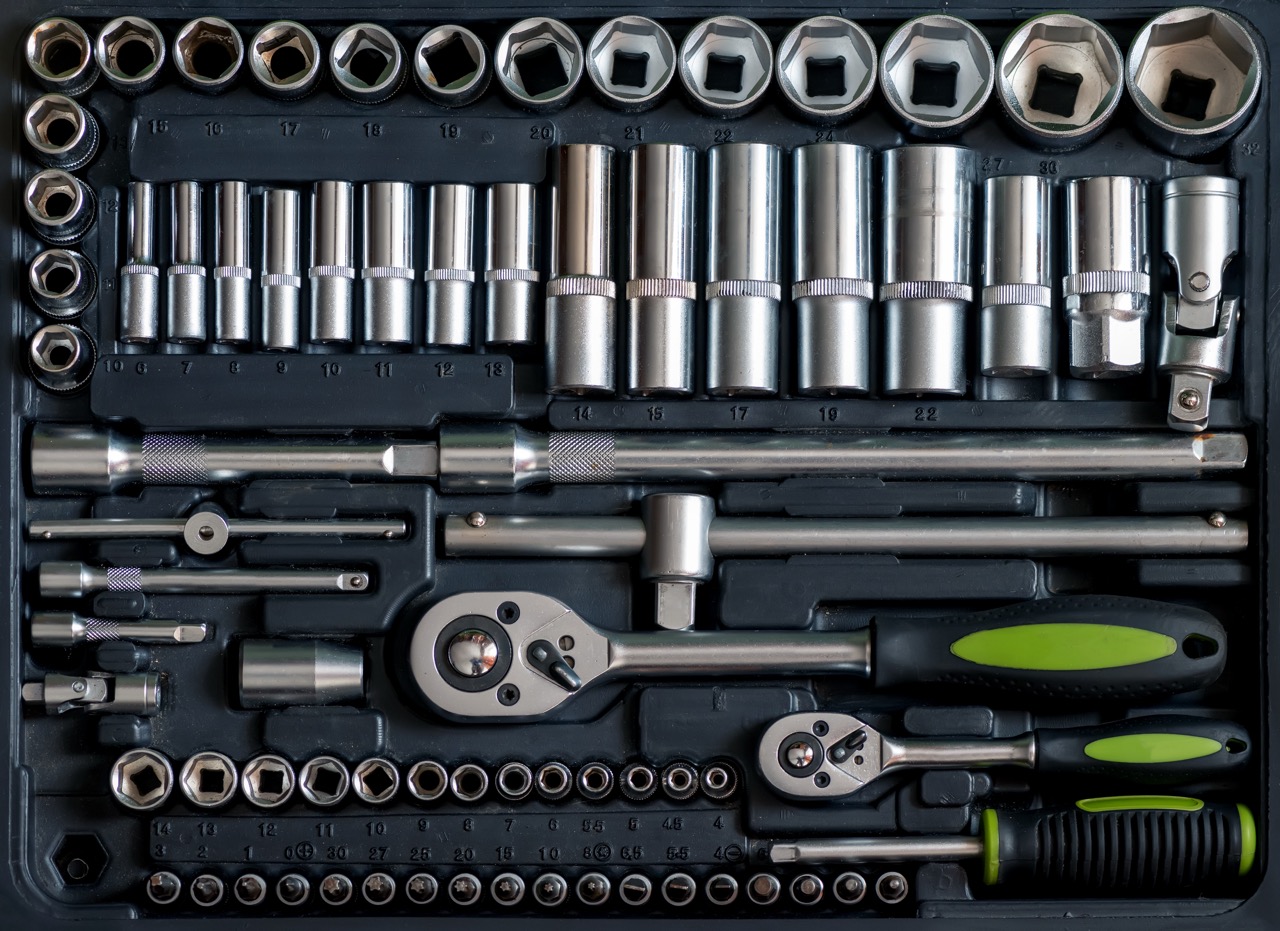
In the high-pressure world of sports, business, and life, “mental toughness” is a phrase that gets tossed around a lot. But what does it really mean? Too often, we imagine mental toughness as a mysterious, all-or-nothing force—something you’re either born with or you’re not. The reality is much different and far more empowering: mental toughness is not just one thing—it’s a toolkit you can grow, refine, and use in every area of life.
Why Mental Toughness Isn’t Just One Trait
Mental toughness is often confused with grit, stoicism, or the ability to “power through” hard moments. In truth, it’s a collection of learnable skills—each one designed to help you tackle adversity, recover from setbacks, and stay focused on what matters.
Think of it like an athlete’s gym bag, filled with different tools for different situations:
- Resilience: The ability to recover and learn from setbacks.
- Focus: The discipline to concentrate on goals and block out distractions.
- Self-Awareness: Knowing your strengths, triggers, and areas for growth.
- Confidence: Backed by evidence, not ego—built through preparation and self-reflection.
- Adaptability: Flexibility to pivot when circumstances change.
Growing Your Mental Toughness Toolkit
Your toolkit can—and should—be built and sharpened over time. Here are the key components and how you can grow each one:
1. Resilience: Bouncing Back Stronger
Setbacks are inevitable. Mentally tough people see them as temporary, learning experiences. Strengthen your resilience by:
- Practicing positive self-talk during tough times
- Reflecting on past challenges you’ve overcome
- Setting small, achievable goals for recovery after failure
2. Focus: Sharpening Your Attention
High performers train their ability to focus—on the task at hand, not the distractions. Improve your focus by:
- Using mindfulness and breathing exercises before games, meetings, or exams
- Visualizing success and what each step looks like
- Breaking big goals into actionable daily tasks
3. Self-Awareness: Knowing Yourself
Self-awareness is foundational. It enables you to recognize emotions, spot negative thinking, and adjust behaviors. Build self-awareness by:
- Journaling about your reactions after high-stress events
- Asking for feedback from trusted mentors or coaches
- Regularly checking in with yourself: “What am I feeling? Why?”
4. Confidence: Building It on Action
Evidence-based confidence is about honesty with your preparation—not just blind belief. Grow true confidence by:
- Tracking your progress and wins, no matter how small
- Using visualization to “see” success before it happens
- Celebrating achievements and acknowledging your effort
5. Adaptability: Pivoting With Purpose
Change is constant—mental toughness means being ready to adapt. Boost adaptability by:
- Embracing new routines and learning opportunities
- Treating mistakes as fuel for improvement, not as failures
- Practicing flexibility in both mindset and action
Training Your Mental Skills Is Non-Negotiable
Just like physical skills, mental skills must be intentionally trained and practiced. Mere awareness isn’t enough. Develop your mental toughness through daily habits, structured coaching, and repetition. Over time, your toolkit will deepen—giving you a true competitive edge.
“Mental toughness is not set in stone. With practice, self-reflection, and the right guidance, anyone can grow their toolkit and handle life’s biggest tests with confidence.”
Why It Matters for Athletes, Coaches, and Professionals
- Athletes: Bridge the gap between practice and game-time execution. Elevate your performance under pressure.
- Coaches: Equip your teams with more than just physical skills—help them build lifelong resilience and confidence.
- Parents and Professionals: Create an environment where growth is expected, and setbacks are just another step forward.
Ready to Build Your Toolbox?
Invest in your mindset and see the difference—in your sport, your work, and your life. At Mental Mettle Coaching, we offer personalized programs to grow every facet of your mental toughness. You’re not stuck with the skills you have now. With the right training, your toolkit can grow as strong and versatile as you need it to be.
Contact Coach Matt Thomann at coachthomann@gmail.com or visit www.mentalmettlelifecoaching.com to start building your mental toughness toolkit today.
Empower your mind. Transform your game. Forge your mental mettle—one skill at a time.
Are you ready to forge your mettle?
More From Mental Mettle

Episode 176: Toughness Takes Practice | Lexi Demott, Galesburg Girls Basketball Head Coach

National Coaches Day: How Coaches Support Athlete Mental Health

Episode 175: "Excuses Satisfy Those Who Make Them" with Ron Spencer

Episode 174: Prepare Them. Build Their Confidence. Then Let Them Play. | Coach Jeremy Adolphson

Episode 173: Mental Toughness Doesn’t Just Happen | Raphael McMaster