Episode 174: Prepare Them. Build Their Confidence. Then Let Them Play. | Coach Jeremy Adolphson
What does it really take to develop a mentally tough athlete?
For much of his coaching career, Jeremy Adolphson thought the answer was more conditioning: make athletes tired, make practice uncomfortable, and trust that the experience would toughen them up. After 26 years as a head football coach, his perspective has changed. Today, he believes athletes perform best when they have practiced the skills they need, understand their roles, and know how to respond when things go wrong.
In Episode 174 of The Mental Mettle Podcast, I sit down with Jeremy to talk about that shift—and what it means for the way we coach.
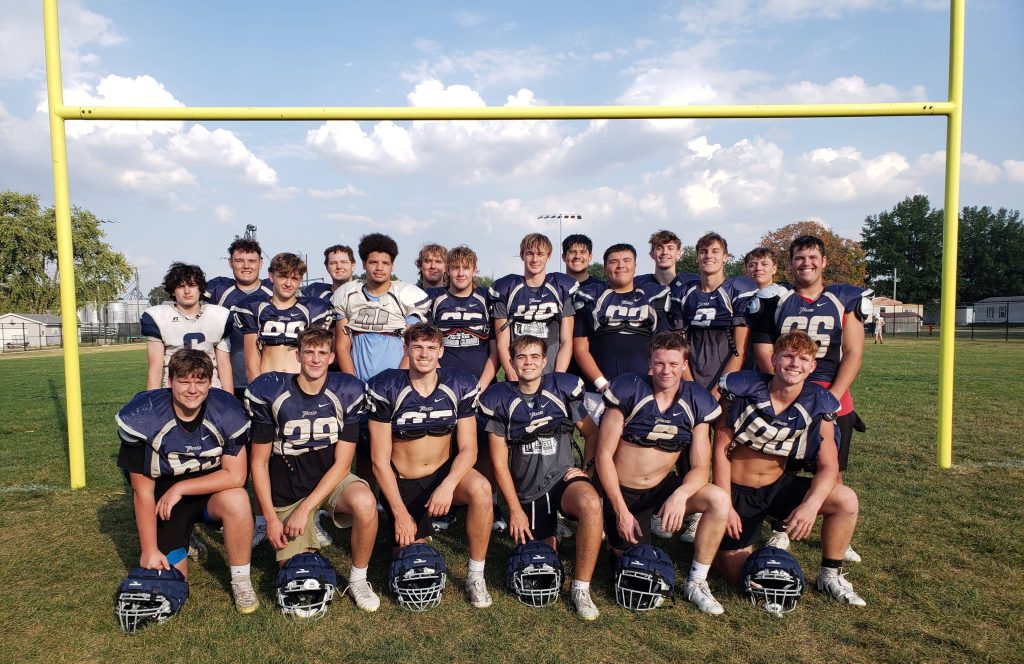
Jeremy is the athletic director, a math and PE teacher, and the head football coach at Monmouth-Roseville High School in Monmouth, Illinois. Now in his 28th year in education and 16th year leading the Titans, he brings more than 100 career wins and multiple playoff runs to the conversation. But this episode is less about his record than about what he has learned while helping young people get ready to play.
Preparation Builds Confidence
Conditioning has a place in athletics. But being exhausted is not the same as knowing what to do under pressure.
Jeremy and I discuss how confidence grows when athletes develop their skills, practice situations that resemble the game, and receive clear answers when they make mistakes. Instead of simply telling a player what went wrong, a coach can give them a solution to try on the next rep. The goal is to prepare athletes to make decisions—not leave them afraid of making the wrong one.Ep.-168-It-s-Supposed-to-Be-Hard.-How-to-Use-Adversity-in-Athletics-to-Build-Mental-Toughness.txt
That preparation also means recognizing what each athlete does well. Jeremy shares the story of “The Jake,” a role built around a player’s strengths, as an example of how coaches can help athletes contribute and play with confidence.
Practice the Hard Moments
Games will bring mistakes, pressure, and adversity. Athletes should not encounter those moments for the first time when the outcome is on the line.
In this episode, we talk about making practice look more like competition, giving athletes room to fail and adjust, and building a culture where questions are welcome. Coaches have a part in that culture, too: they must model the composure, willingness to learn, and response to setbacks that they ask of their players.
We discuss:
- Why conditioning and mental toughness are not the same thing.
- How skill, preparation, and role clarity build confidence.
- Why practice should prepare athletes for game-like decisions.
- How to correct mistakes by giving athletes solutions.
- Why failure and adversity belong in practice.
- How coaches can model the mental toughness they want to develop.
- Why athletes need to feel comfortable asking questions.
The takeaway is not that coaches should stop challenging athletes. It is that a challenge works best when athletes have been taught how to meet it.
Prepare them. Build their confidence. Then let them play.
Connect with Jeremy on X: @MonRoseFB. Learn more about Mental Mettle Coaching, and share this episode with a coach who could use the conversation.
Forge Your Mettle.
Are you ready to forge your mettle?
More From Mental Mettle

National Coaches Day: How Coaches Support Athlete Mental Health

Episode 175: "Excuses Satisfy Those Who Make Them" with Ron Spencer

Episode 173: Mental Toughness Doesn’t Just Happen | Raphael McMaster

The “Yes, And” Mindset: How Athletes and Coaches Build Resilience Through Acceptance
Episode 170: "Attack the Process". Building Mental Toughness with Jeremy Clodfelder