
Episode 179: Sports Are a Platform, Not a Purpose with Tanner Field of B-Third Athletics
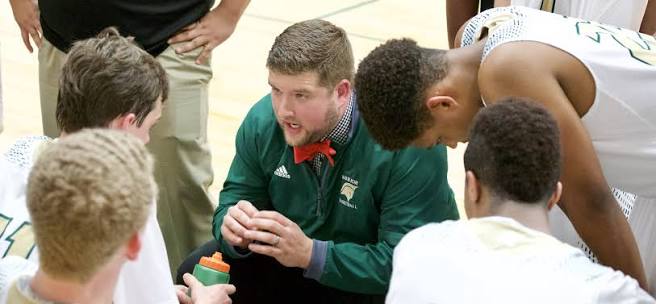
What if the real purpose of sports is not simply to win games, but to develop the people athletes will become long after their playing careers end?
In Episode 179 of The Mental Mettle Podcast, I sit down with Tanner Field, founder of B3rd Athletics, for a conversation about faith, competition, mental toughness, and the responsibility coaches have to develop the whole person.
Tanner spent years building a successful basketball program, winning three state championships and reaching seven Final Fours in seven years. But the foundation of his approach goes beyond the scoreboard.
Sports are a platform, not a purpose.
Coaching the Person, Not Just the Player
Tanner believes coaches are not only coaching the 16-, 17-, and 18-year-old standing in front of them. They are also helping shape the 40- or 50-year-old that athlete will eventually become. Sport creates a powerful classroom for learning how to compete, serve others, handle failure, and respond when things do not go as planned.
That perspective changes the question coaches ask. Instead of only asking, “How can this athlete help us win?” it becomes, “Who is this athlete becoming through the experience?”
Winning still matters. Tanner is clear that competition and excellence are not the problem. The danger comes when performance becomes the foundation of an athlete’s identity—when a bad game, a lost starting spot, or limited playing time begins to feel like a judgment of their worth.
God First. Others Second. Yourself Third.
The name B3rd Athletics reflects Tanner’s core philosophy: put God first, others second, and yourself third.
That is not a call to abandon personal excellence. It is a challenge to pursue excellence with the right perspective. Tanner encourages athletes to compete hard while also asking how their effort can elevate teammates, strengthen the team, and point them toward something larger than individual recognition.
One of the most compelling parts of the conversation is Tanner’s point that the hardest place to put others first may be the bench.
It is easier to be selfless when you are the star receiving attention. It is much harder when someone else is getting the playing time, recognition, and opportunities you want. Yet that is exactly where character can grow: supporting teammates, controlling your response, and remembering that your value is not determined by your role.
Routines Prepare Athletes for Pressure
Tanner also emphasizes the importance of intentional routines. His teams began practice in the classroom, giving athletes time to reset from the school day, discuss the lesson for the week, and prepare mentally for what was coming on the court.
That structure helped athletes understand the purpose behind difficult practices. Conditioning, competition, and adversity were not framed as punishment. They were part of the process of becoming better.
The lesson for coaches is simple: if mental and character development truly matter, they need time in the practice plan. A slogan on a T-shirt is not a system. Repetition, conversation, and intentional teaching are.
Inside Episode 179
We discuss:
- Why coaches should develop people, not just players.
- How athletes can pursue excellence without tying their identity to performance.
- How “God first, others second, yourself third” can transform team culture.
- Teaching athletes to respond to adversity, failure, and disappointment.
- Why the bench may be the hardest place to practice selflessness.
- Using routines to prepare athletes for pressure.
- Making time for mental and character development.
- Helping parents, coaches, and athletes work together to build better people.
Listen to Episode 179 for a conversation that challenges coaches to use sports as a platform for developing people—not merely using people to win at sports.
Free B3rd Athletics Curriculum
Tanner and his team make their resources available for free to athletes, coaches, and parents. The B3rd Athletics curriculum includes resources for athletes, coaches, and parents, along with an app available through the Apple App Store and Google Play Store.
Explore the curriculum and learn more:
- Website: B3rd Athletics
- Facebook: B3rd Athletics
- Instagram: @b3rdathletics
- Tanner Field on LinkedIn: Tanner Field
Develop the Mental Side With Mental Mettle Coaching
Are you an athlete looking to build confidence, improve focus, and perform under pressure? Are you a coach who wants to develop mentally stronger athletes and a healthier team culture?
Mental Mettle Coaching helps athletes and coaches develop the mental skills needed to handle adversity, regulate emotions, focus on controllables, and build a positive inner voice.
Explore individual mental coaching, team coaching, and resources for coaches and parents at Mental Mettle Coaching, or email matt@mentalmettlecoach.com.
How Would Jesus Coach?
I also lead a Bible study for coaches built around one question: How would Jesus coach?
We explore Scripture, have honest conversations, ask good questions, and hold one another accountable as we learn to coach more like Christ. I do not claim to have all the answers—I am on this journey, too. Whether you are a Christian coach looking to grow in faith or someone interested in the intersection of coaching and Christ, you are welcome.
There is no cost and no sales pitch. Interested in joining? Email matt@mentalmettlecoach.com to learn more.
If this episode resonates with you, please like, subscribe, and share it with another coach who wants to make a lasting impact.
Keep learning. Keep growing. Keep forging your mettle.
Are you ready to forge your mettle?
More From Mental Mettle

The Mental Skills Athletes Need Most: Turning “Be Tougher” Into a Trainable System
Episode 178: Authenticity, Adaptability, and Faith | Matt Bollant on Coaching

Episode 177: Coaching 4 Character | Coach Will Rey on 50 Years of Building Better People

Episode 176: Toughness Takes Practice | Lexi Demott, Galesburg Girls Basketball Head Coach

National Coaches Day: How Coaches Support Athlete Mental Health
