Episode 158: When Lightning Strikes: Responding to Life’s Hardest Hits with Author Scott Lackey.
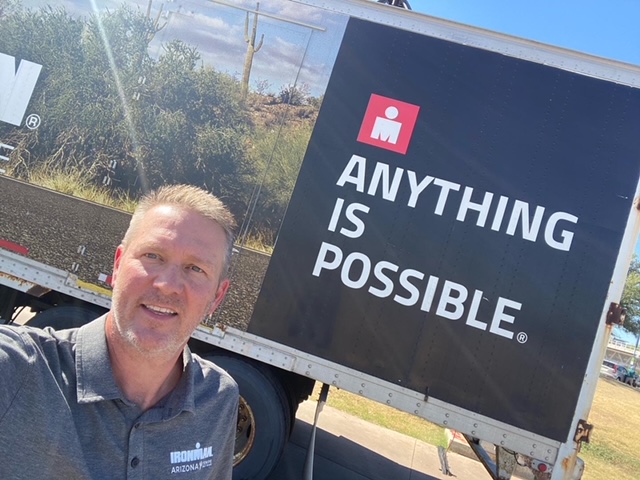
In Episode 158 of The Mental Mettle Podcast, Coach Matt sits down with author, veteran, inventor, Ironman finisher, and leadership speaker Scott Lackey for a wide-ranging conversation about pain, perspective, and what it means to respond well when life hits hard. At the center of the episode is Scott’s idea of “lightning-strike moments” — the kinds of sudden events that split life into before and after.
Scott’s story is not just about success on paper. It is about what happened when those scoreboard moments stopped protecting him from real life, and he found himself at rock bottom with a pregnant wife, young kids, and everything he thought he had built falling apart. From there, the conversation becomes a thoughtful look at suffering, faith, responsibility, and the daily choice to keep moving forward.
Lightning-strike moments
One of the strongest themes in this episode is that life is less about what happens to you and more about how you respond to it. Scott explains that a diagnosis, firing, betrayal, stroke, or any other sudden shock can become either an end point or a turning point depending on the response. That idea gives the episode its emotional weight and practical value, especially for listeners who have experienced something they did not choose.
Coach Matt draws out the idea that uncontrollable events may define a season, but they do not have to define a person. Together, he and Scott frame resilience as something active, not passive — a decision to keep doing the next right thing even when the ground shifts beneath you.
Waking up to die again
A memorable part of the conversation centers on Scott’s phrase “waking up to die again”. He uses it in two very different ways: one destructive, where a person slowly dies inside by drifting through life, and one powerful, where daily sacrifice, discipline, and hard choices shape you into someone stronger. That second version becomes a theme for the entire episode.
Scott connects that mindset to his military experience and Ironman training, where intentional adversity prepares you for the adversity you cannot control. In other words, you practice discomfort on purpose so you are less fragile when life brings the hard stuff. It is a simple but demanding idea, and one that fits the mission of the podcast well.
Faith and vulnerability
Faith is another major thread in the conversation. Scott describes it as the binding force that held his life together, especially when worldly success turned out to be empty and painful situations piled up. He says God was not waiting to meet him in the dark — He was already there, which gives the episode a deep sense of hope.
The episode also makes a strong case for vulnerability as real toughness. Scott talks about writing his book in a way that exposes flaws instead of hiding them, and he explains that telling the truth when you are not the hero is a form of strength. That honesty becomes one of the most useful lessons in the interview, especially for men, leaders, and parents who have been conditioned to hide struggle.
Forgiveness and direction
Another important takeaway is Scott’s view of self-forgiveness. He talks about forgiving not just mistakes, but even “the person you never became,” so you are no longer dragging old weight into every new day. That perspective adds another layer to the episode’s message: growth often requires letting go before it requires building up.
The conversation also returns repeatedly to direction over distance. Scott is less interested in perfect five-year plans than in the next right step, the daily choice, and the willingness to stay aimed at something meaningful. That makes the episode especially useful for anyone trying to rebuild after a setback, because it shifts the focus from overwhelm to action.
Why it matters
This episode will resonate with anyone who has been blindsided by failure, loss, illness, betrayal, or uncertainty. It is honest without being cynical, faith-filled without being preachy, and practical without losing its depth. Scott Lackey brings the kind of perspective that only comes from being broken open and choosing to build again.
If you are looking for a conversation about resilience that goes beyond clichés, Episode 158 is worth your time. It is a reminder that lightning may strike without warning, but your response can still shape what comes next.
Are you ready to forge your mettle?
More From Mental Mettle

Episode 177: Coaching 4 Character | Coach Will Rey on 50 Years of Building Better People

Episode 176: Toughness Takes Practice | Lexi Demott, Galesburg Girls Basketball Head Coach

National Coaches Day: How Coaches Support Athlete Mental Health

Episode 175: "Excuses Satisfy Those Who Make Them" with Ron Spencer
Episode 174: Prepare Them. Build Their Confidence. Then Let Them Play. | Coach Jeremy Adolphson