Episode 115: Beyond Wins and Losses with Coach Abe Zeller
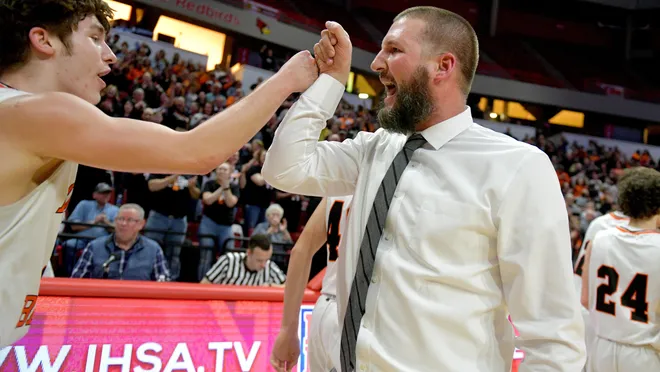
In the high-pressure world of sports, it’s easy to measure success by the scoreboard. But for Morton Potters head basketball coach Abe Zeller, winning is only a small part of the equation. In this thought-provoking conversation on The Mental Mettle Podcast, Coach Zeller joins host Matt Thomann to discuss building athletes who are not only better players—but better people.
With over two decades of coaching experience, Abe has learned that the true rewards of coaching lie in growth, relationships, and resilience. This episode dives into the habits, philosophies, and mindsets that make coaching a lifelong impact rather than a single-season pursuit.
Building Chemistry in an Environment Without Pressure
Coach Zeller loves the summer season—not because of trophies or titles, but because it’s the perfect environment for developing relationships, testing chemistry, and giving every player a chance to shine.
Without Friday-night lights or packed gym pressure, athletes can experiment, find their roles, and grow their confidence. Summer basketball may not feature the intensity of a heated conference game, but for Abe, these months lay the foundation for the culture, trust, and unity that carry into the regular season.
From Small School to a Bigger Stage—The Constants of Coaching
Before taking the helm in Morton, Abe spent 15 years coaching at Roanoke-Benson, a small-school program where community and personal relationships were paramount. While the scale has changed, he’s quick to note that the core of coaching is the same no matter where you are—it’s about the journey with the players.
Yes, bigger schools bring deeper rosters and resources, but the core lessons remain: creating buy-in, building trust, and embracing the process, no matter your win-loss record.
Navigating Setbacks, Uncontrollables, and Perspective
One of the most defining chapters in Coach Zeller’s career came in 2020, when his Roanoke-Benson team’s state title run was cut short by the COVID shutdown. Overnight, an uncontrollable global event ended years of work and anticipation.
The experience shaped Abe’s perspective: the scoreboard isn’t everything, and sometimes your most valuable coaching moments come from helping players navigate disappointment with grace. As he says, there’s power in teaching athletes that they can always control their effort, attitude, and responses–even when the outcome is out of their hands.
The Power of “Playing Present”
Drawing from lessons learned from performance coach Allen Stein, Abe instills the concept of “playing present” in his athletes—training them to stay in the moment, possession by possession.
You can’t change the turnover that just happened. You can’t script what’s coming three plays ahead. You only have this moment—and this moment requires your full focus and effort. That mindfulness isn’t just a mental game-changer on the court—it’s a skill for life.
Hard Practices, Real Growth
Coach Zeller believes in preparing athletes for the inevitable challenges of both sports and life. That means designing practices that push players beyond their perceived limits—not for punishment’s sake, but to build a bank of evidence: “I’ve done something this hard before. I can do it again.”
When athletes understand why they’re being pushed, they begin to see physical challenges as tools for mental toughness, not just hurdles.
The Role of Mentorship and Lifelong Learning
Abe credits mentors like Tim Meiss, Fred Fox, and Mitch Holmgren with shaping the coach—and person—he became. From them, he learned that great coaches are always students of the game—listening, note-taking, and seeking new perspectives no matter how much experience they have.
It’s a mindset he now models for his own players: stay curious, keep learning, and never assume you have all the answers.
Beyond Wins and Losses
Coach Zeller’s message to fellow coaches is clear: if your definition of success starts and ends with your win-loss record, you’ll never be truly satisfied. Winning feels good, but the real victory is in how you help your players become resilient, disciplined, and prepared for life beyond basketball.
High school sports may only last a few seasons, but the lessons—handling pressure, embracing challenges, building relationships—stay with athletes for life.
Whether you’re roaming the sidelines, lacing up as a player, or cheering from the stands, this episode is a reminder that the best coaches are in it for the long game—the game of life.
For more insights into mental toughness, culture building, and mindset coaching, connect with Coach Matt Thomann:
coachthomann@gmail.com
www.mentalmettlelifecoaching.com
Schedule your FREE coaching session today and start building your mental edge.
Are you ready to forge your mettle?
More From Mental Mettle

Episode 176: Toughness Takes Practice | Lexi Demott, Galesburg Girls Basketball Head Coach

National Coaches Day: How Coaches Support Athlete Mental Health

Episode 175: "Excuses Satisfy Those Who Make Them" with Ron Spencer
Episode 174: Prepare Them. Build Their Confidence. Then Let Them Play. | Coach Jeremy Adolphson

Episode 173: Mental Toughness Doesn’t Just Happen | Raphael McMaster