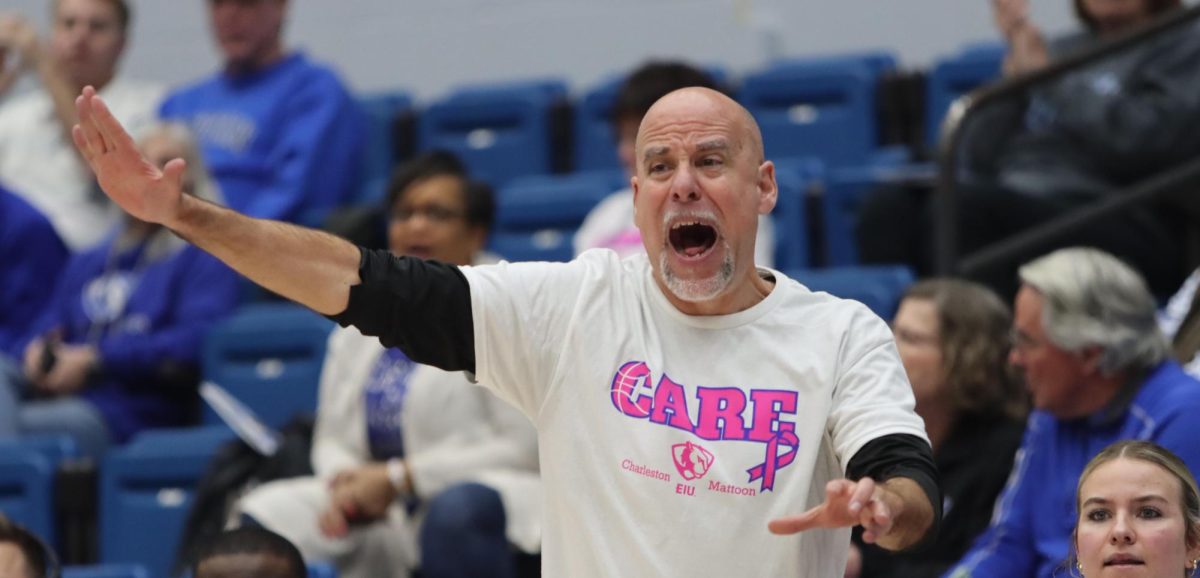
Episode 112: Building a First-Class Program with New Millikin Coach Billy Riebock
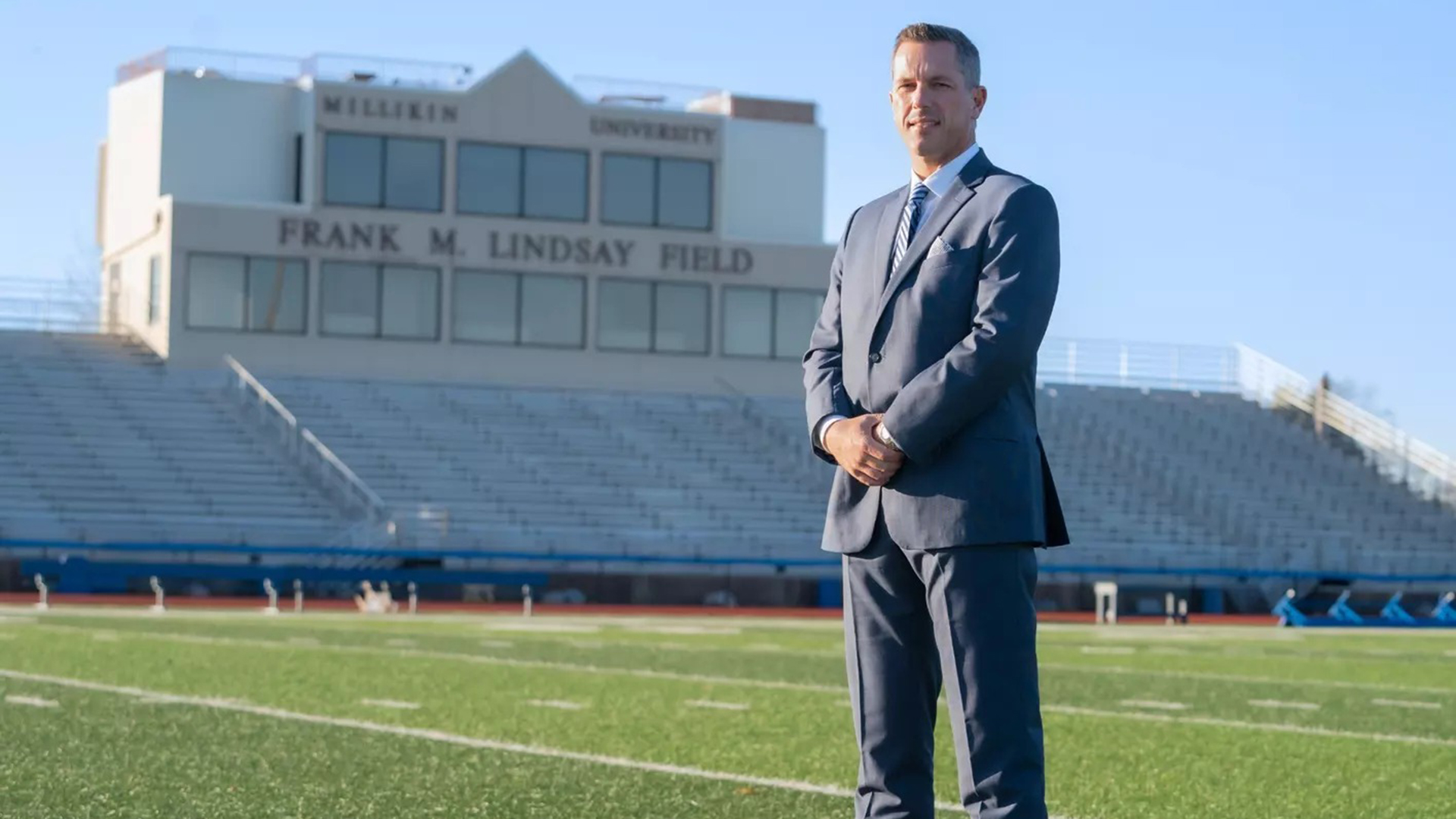
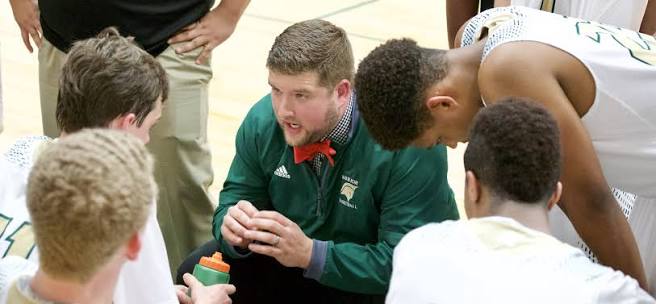
Millikin University’s football program hasn’t seen a win in two years. For many, that might sound like a job to avoid. But for newly-appointed head coach Billy Riebock, the challenge is an opportunity to build something truly special from the ground up—a first-class football program rooted in discipline, values, and a relentless commitment to daily excellence.
Why Take on a Program in Need of a Rebuild?
Coach Billy Riebock isn’t shy about the scope of the project he’s inherited. The Big Blue haven’t tasted victory in back-to-back 0-10 seasons and their last conference championship dates all the way back to 20001. For some, that’s a warning sign. For Billy, it’s a blank slate.
“Who wants to play for someone who just wants to go .500?” Riebock says on the show. “Our expectation is to win every single game. That’s what I want this program to believe. But to get there, you have to carry out daily habits, have a plan to win on offense, defense, and special teams, and, most importantly, live with the result.”
Early Influences and Core Values
Coach Riebock didn’t land at Millikin by accident. He built his approach through nearly two decades of coaching at every college level—learning from successful mentors at stops like Indiana, Ball State, Rice, and more1. That diversity of experience gave him perspective, but it’s the core values instilled by his parents and mentors that now guide his vision.
He talks candidly about the humility that comes when you first start coaching—like spending all night breaking down film, only to realize you analyzed the wrong team. Those early lessons taught him the importance of preparation, resilience, and ego-free leadership. “The ego goes out the door, real quick,” Riebock reflects.
Creating a First-Class Attitude
Coach Riebock’s turnaround plan starts and ends with discipline and fostering a first-class attitude—strategies that go much deeper than X’s and O’s. He emphasizes that building a culture of accountability, pride, and unity isn’t negotiable. Every player and staff member must take ownership—of their preparation, behavior, and performance on and off the field.
“Chase responsibility, not money,” is advice that stuck with him from a mentor. “If you find meaning in the responsibility, the results and success will follow.”
Embracing the Daily Grind
Riebock is clear-eyed about what it takes: building daily habits, earning trust, and sticking to the hard work even when the results don’t show up on the scoreboard right away. He brings those same expectations to his team: to prepare at a high level every day, to stay resilient through adversity, and to focus on the long-term vision.
“Culture is everything,” he tells Coach Thomann. “When you move into a job that’s had zero wins in two years, you can bet the culture is not where it needs to be. That’s where we’ll start: bringing in the right mindset and attitude, every day.”
Why This Matters—for Players, Coaches, and Fans
Coach Riebock’s story is more than a coaching philosophy—it’s a roadmap for anyone facing big challenges. Whether you’re a player determined to help turn a program around, a coach looking for inspiration, or a fan rooting for the underdog, his message is clear: winning starts with the right values, a first-class mindset, and owning the process—day in and day out.
For more insights on building resilience, leadership, and mental toughness in sports and life, subscribe to the Mental Mettle Podcast. Interested in elevating your own performance or team culture? Contact Coach Matt Thomann at coachthomann@gmail.com or visit www.mentalmettlelifecoaching.com to schedule a free coaching session.
Are you ready to forge your mettle?
More From Mental Mettle
Episode 182: The Soul of Mental Toughness with Douglas White
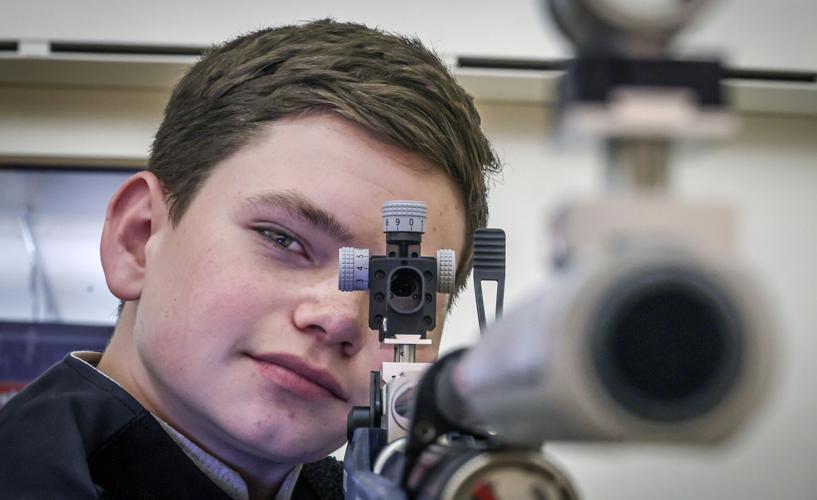
Episode 181: Protect the Process: Inside the Mental Coaching of USA Paralympic Shooter Jadon Nafziger

Episode 180: High Expectations and Zero Expectation with East Peoria Baseball Coach Matt Plummer
Episode 179: Sports Are a Platform, Not a Purpose with Tanner Field of B-Third Athletics

The Mental Skills Athletes Need Most: Turning “Be Tougher” Into a Trainable System