Back-to-School Sports: How Schools Build a Championship Culture
Back-to-school season brings a fresh start: new classes, new teams, new routines, and new expectations. For student-athletes, it also means balancing practices, games, homework, relationships, and the pressure to perform.
That makes August the perfect time for schools, coaches, and parents to ask a bigger question: What kind of culture are we building around our athletes?
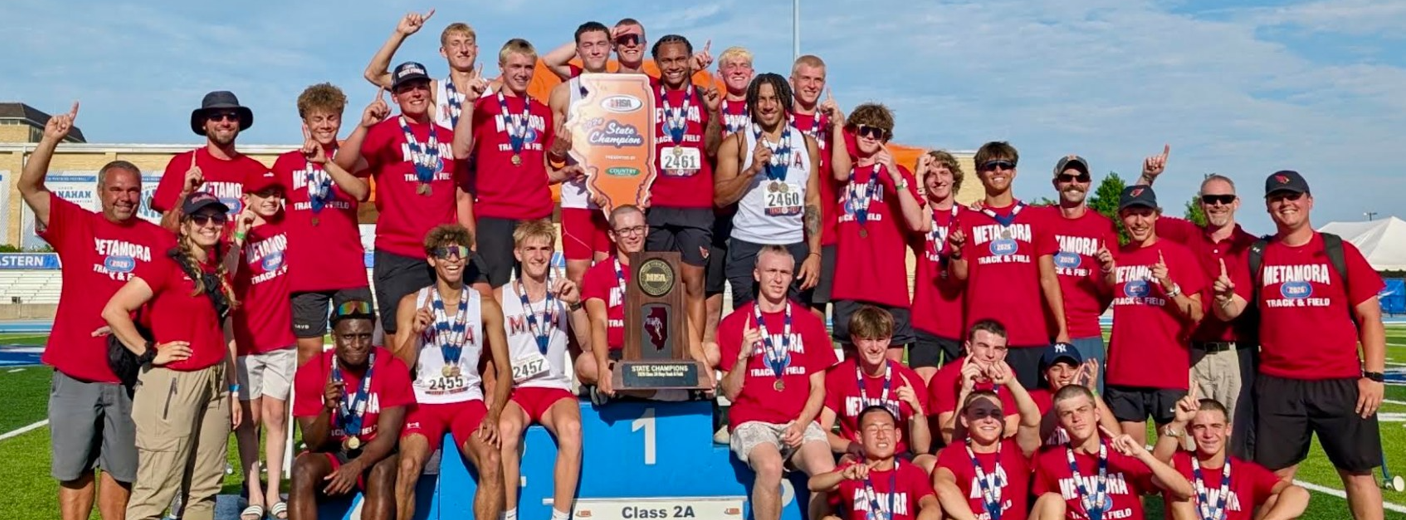
In Episode 166 of The Mental Mettle Podcast, Metamora Township High School principal Charlie Zimmerman shares a clear message for school leaders and athletic programs: championship culture does not happen by accident. It is built intentionally through consistent expectations, strong relationships, and a commitment to developing the whole student-athlete—not just the player who shows up on game night.
Culture Starts Before the Season
A new school year is full of optimism. Every team begins with possibility, and every athlete has a chance to grow. But hope alone will not build a strong athletic program.
Culture is created in the daily details:
- How coaches speak to athletes after mistakes
- How teammates respond to one another under pressure
- How administrators support both academics and athletics
- How parents handle the ride home after a difficult game
- How a program defines success beyond wins and losses
The strongest programs make those standards clear before adversity arrives. They do not wait for a losing streak, injury, conflict, or burned-out athlete to start talking about resilience and mental health. They establish habits, language, and support systems early.
Mental Training Is Smart
Student-athletes spend hours developing physical skills. They lift, run, practice technique, watch film, and recover their bodies. Yet many athletes spend far less intentional time training the skill set that helps them execute when the pressure rises: their minds.
Mental performance training is not “soft.” As Zimmerman puts it in the episode, it is smart. Athletes benefit from learning how to manage nerves, use visualization, respond to negative self-talk, recover after mistakes, and stay focused on what they can control.
Just as athletes do not expect to master a new lift after one workout, they should not expect confidence, emotional control, or resilience to appear without repetition. These skills improve through consistent practice, reflection, and coaching.
For schools, investing in mental performance is not an add-on. It is a way to help athletes handle the academic, athletic, and social demands they already carry.
Alignment Matters
A student-athlete is supported by more than one adult. Coaches, parents, teachers, athletic directors, counselors, and administrators all influence the environment around that young person.
When those adults pull in different directions, athletes feel it. One voice says, “Just win.” Another says, “Do not make mistakes.” Another says, “You need to play through everything.” Before long, the athlete may feel overwhelmed, anxious, or unsure who they are trying to please.
A healthy school culture gives adults a shared purpose: help young people become capable, confident, accountable people. That does not mean lowering expectations. It means pairing high expectations with the tools and relationships athletes need to meet them.
Coaches need support to sustain the messages athletes hear in a mental performance session. Parents need practical guidance for conversations at home. Administrators need to make it clear that character, mental health, and growth matter alongside results.
Redefine Success This Year
Winning matters. Competition matters. Setting ambitious goals matters.
But a back-to-school reset is a good time to broaden the definition of success. A successful season is not only measured by a final record, a trophy, or a stat line. It is also measured by how an athlete handles adversity, responds to coaching, supports teammates, and grows through difficult moments.
Parents especially can make a difference by focusing less on a postgame breakdown and more on the experience of the athlete. Ask questions like:
- “What did you learn today?”
- “What was hard, and how did you respond?”
- “What are you proud of?”
- “How can I support you this week?”
Those conversations help athletes build confidence that is not dependent on a perfect performance. In Episode 166, Coach Matt Thomann and Charlie Zimmerman emphasize that athletes need adults who help them face hard things—not adults who try to remove every obstacle.
Start With One Decision
Championship culture is not a slogan on a wall. It is the result of repeated choices: to communicate better, train the mind, hold high standards, support growth, and keep improving even when a program is already successful.
This school year, choose one way to be more intentional.
For coaches, that might mean adding five minutes of mindset work to practice each week. For school leaders, it may mean creating space for coaches to collaborate and learn. For parents, it may mean changing the car-ride-home conversation.
The season will bring pressure, setbacks, and uncomfortable moments. A strong culture does not prevent those challenges. It prepares student-athletes to meet them with resilience, perspective, and confidence.
Championship teams are built by championship cultures—and the work begins now.
To learn more about Mental Mettle Coaching for student-athletes, coaches, parents, and schools, visit Mental Mettle Coaching. Parents can also get practical support before the season begins through the free Resilient Parents Playbook.
Are you ready to forge your mettle?
More From Mental Mettle

Episode 176: Toughness Takes Practice | Lexi Demott, Galesburg Girls Basketball Head Coach

National Coaches Day: How Coaches Support Athlete Mental Health

Episode 175: "Excuses Satisfy Those Who Make Them" with Ron Spencer
Episode 174: Prepare Them. Build Their Confidence. Then Let Them Play. | Coach Jeremy Adolphson

Episode 173: Mental Toughness Doesn’t Just Happen | Raphael McMaster