How Great Coaches Stay Teachable and Improve Every Season
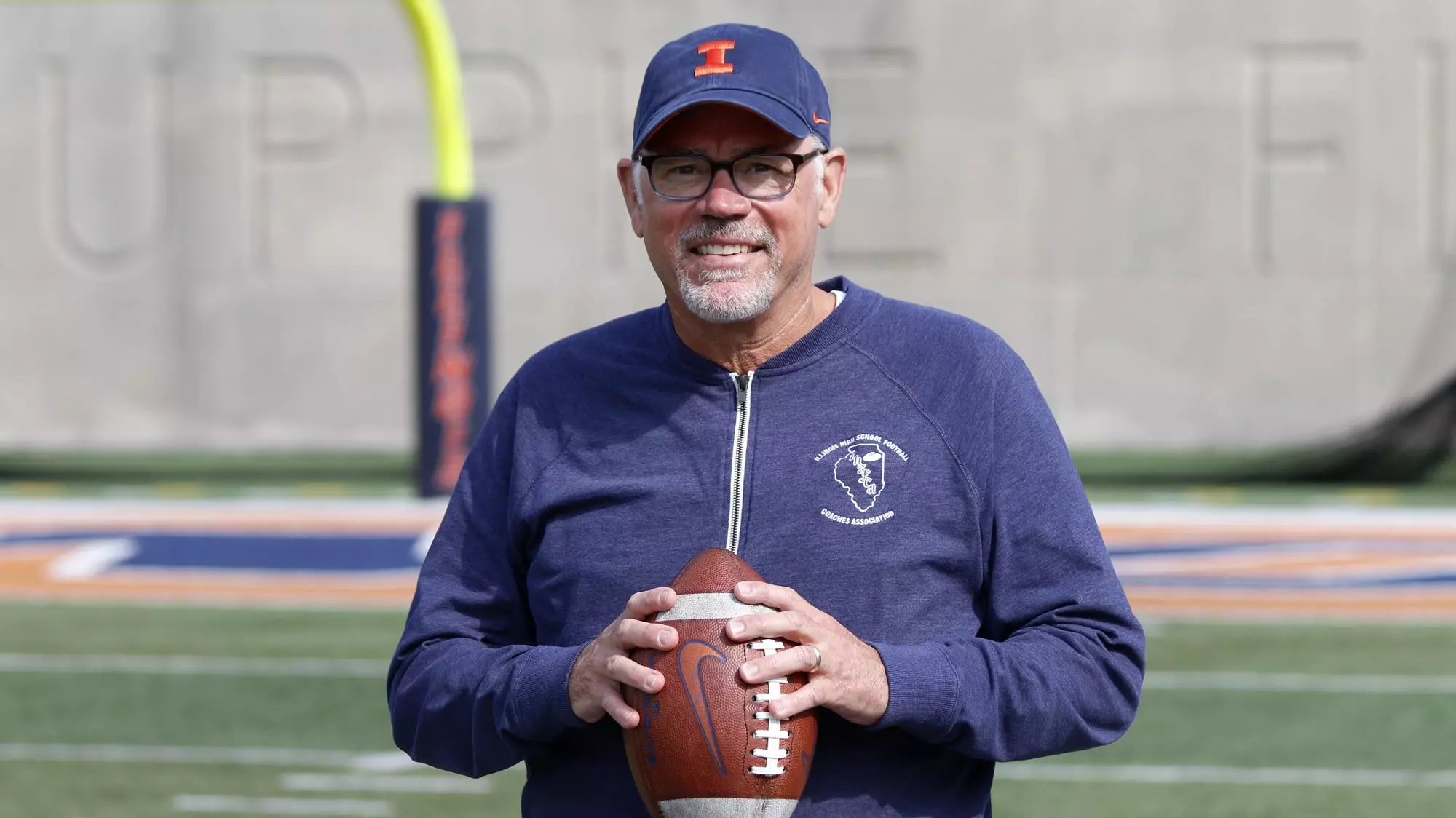
Great coaches are not the ones who already know everything. They are the ones who keep learning, adapting, and listening long after they’ve had success. Pat Ryan’s story in Episode 149 makes that clear: “You’re never done learning in this game,” and that mindset is a major reason his programs have lasted.
The Coaching Ceiling Is Real
A coach can get stuck fast when they start believing their system is the final answer. The game changes, players change, families change, and the methods that worked five years ago may not work today. Pat says it plainly: “If you ever think you got it all figured out that’s not a good sign.”
That’s especially true in modern football, where coaches have to manage more than plays and practice plans. They’re dealing with player development, communication, emotional maturity, family expectations, and the pressure that comes with social media and constant comparison. The best coaches stay curious enough to keep improving in all of those areas.
Learning Builds Better Leaders
Learning is not just about collecting new drills or copying someone else’s offense. It’s about becoming a better communicator, a better listener, and a better leader for the people in your building. Pat said his current role made him “a better listener,” and that’s a lesson every coach can use.
The strongest programs are built by coaches who can listen to younger staff members, hear new ideas, and still stay grounded in their values. That balance matters because leadership without learning turns rigid, while learning without standards turns loose. The goal is to keep both.
Culture Comes From Curiosity
Pat’s comments about relationships show that learning and culture go together. He talks about how good coaches listen to younger coaches too, because “youth can give me an insight that I didn’t know before.” That kind of humility creates a healthier environment for assistants, athletes, and families.
He also makes a point that successful coaches do not build programs by accident. They ask questions, study people, and stay open to change while protecting the core of who they are. That’s how culture becomes something real instead of something printed on a wall.
Mental Toughness Starts Here
Mental toughness is not just about handling adversity. It also comes from being prepared enough to stay calm when adversity shows up. Pat said, “You can’t control everything, but you can control how you react to everything,” which is one of the clearest mental-performance lessons in the episode.
That idea matters for coaches because players watch how leaders respond. If a coach panics, blames, or shuts down, that becomes part of the team’s emotional language. If a coach stays steady, keeps learning, and models adjustment, the team gets stronger under pressure.
Support For Coaches
This is where Mental Mettle Coaching fits in. Mental Mettle helps coaches build stronger athletes by developing the mindset, habits, and relationships that support real growth. The work goes beyond motivation and gets into the daily practices that improve confidence, resilience, and team culture.
Learn more about Mental Mettle's Coaching Services
Mental Mettle offers individual coaching, group coaching, and professional development for schools and businesses. Whether your goal is to strengthen leadership, improve communication, or build a tougher program from the inside out, their coaching is designed to help you do it with purpose.
What Coaches Should Remember
The best coaches do not stop learning when they win. They keep asking better questions, keep refining their habits, and keep adjusting to the people in front of them. That’s the kind of growth that lasts, and it’s the kind of growth that turns good programs into great ones.
If your coaching has started to feel stuck, the answer probably is not more noise. It is more reflection, more curiosity, and more intentional learning. That is how coaches stay effective, and that is how programs keep moving forward.
Are you ready to forge your mettle?
More From Mental Mettle

Episode 176: Toughness Takes Practice | Lexi Demott, Galesburg Girls Basketball Head Coach

National Coaches Day: How Coaches Support Athlete Mental Health

Episode 175: "Excuses Satisfy Those Who Make Them" with Ron Spencer
Episode 174: Prepare Them. Build Their Confidence. Then Let Them Play. | Coach Jeremy Adolphson

Episode 173: Mental Toughness Doesn’t Just Happen | Raphael McMaster