Creating Player-Led Culture: How Trust and Freedom Grow Leaders in Sports
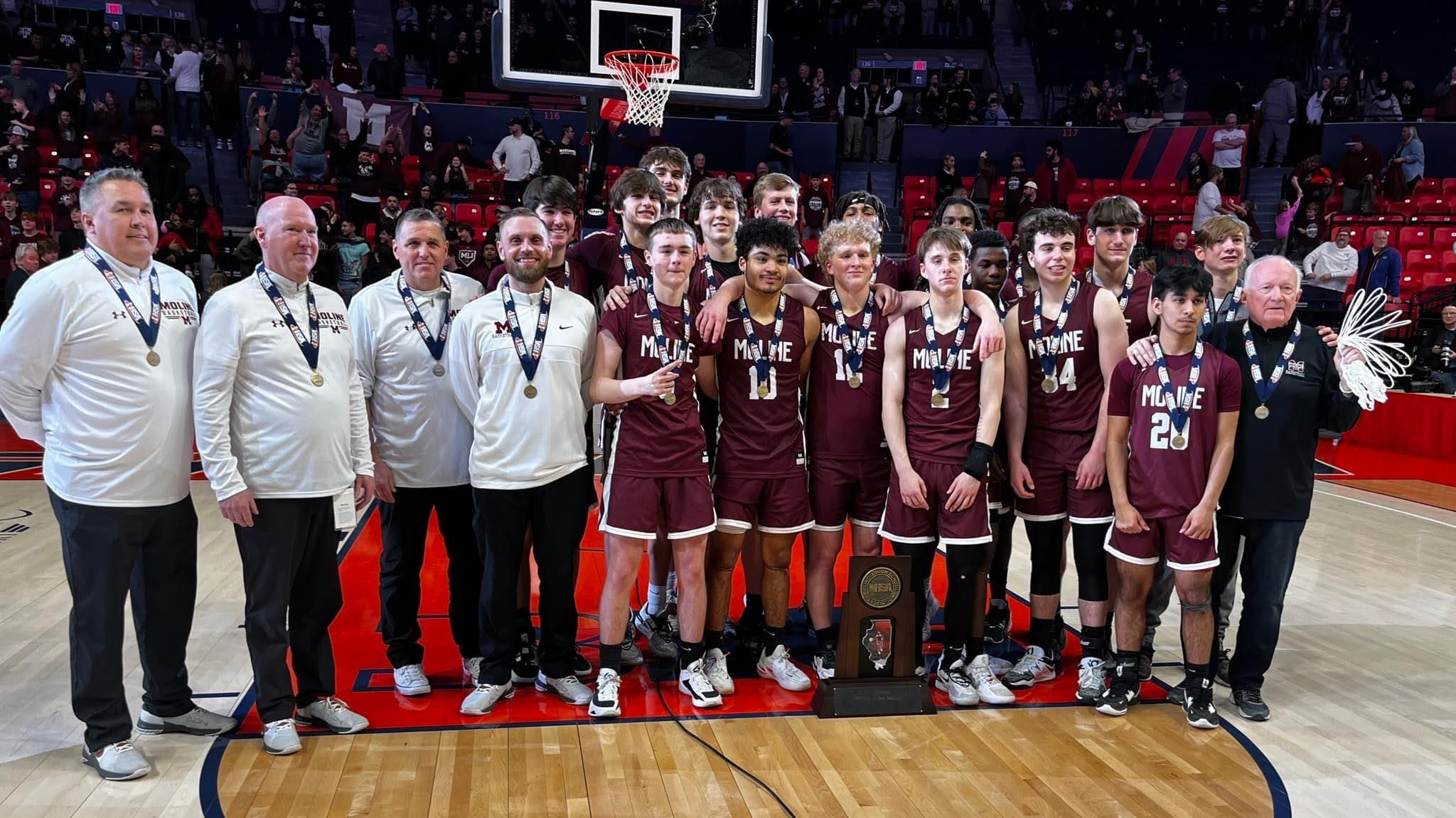
One of the most powerful, transformative concepts in sports today is the player-led culture—where athletes are trusted, challenged, and given the space to lead, not just follow. In episode 122 of The Mental Mettle Podcast, Coach Sean Taylor of Moline Boys Basketball shared his decades of experience building leadership “from the inside out,” revealing how freedom and trust—not micromanagement—create real growth for athletes and teams. Here’s how coaches, parents, and athletes can embrace this high-impact mindset for lasting success in sports and life.
Check Out Episode 122 of the Mental Mettle Podcast
Why Leadership Can’t Be Forced—It Grows from Freedom
Many coaches talk about “building leaders,” but too often, leadership is handed down by title or dictated from the sideline. As Coach Taylor explains, real leadership comes when kids are given the space and trust to step up, solve problems, and even make mistakes. “Kids don’t automatically come in with those sorts of mindsets. You have to develop them a little bit... It’s developed on a daily basis, and when it’s really effective is when the player is leading it.”
This daily development happens when a coach resists the urge to control everything. Instead, they create a culture of opportunity, where athletes know they can try, fail, and try again. In Taylor’s words, “A coach can’t dictate and control everything all year and then expect a kid to rise up in a moment.” Only in that open environment—where mistakes are encouraged and not punished—does real growth occur.
Mistakes Lead to Growth: The Power of Allowing Failure
A central theme from Coach Taylor’s interview is that the best learning, resilience, and eventual success often grow from failure, not just victory. As he puts it, “Basketball is an imperfect game. Life is imperfect. And I think you have to encourage people to make mistakes. I think that’s where the most growth occurs... If you push yourself, you're going to have failure. And then that's going to lead to growth.”
For coaches and parents alike, this means avoiding overbearing criticism and instead seeing mistakes as essential steps on the path to improvement. Letting kids play out of their comfort zone, respond to adversity, and find their own solutions—these moments of struggle are where leadership and confidence are truly forged.
Consistency, Mental Toughness, and Daily Progress
Sean Taylor also highlights the importance of consistency. “The hardest thing for mental toughness is consistency... It's discipline—when you can do it every day.” Whether it’s showing up for early morning workouts or playing hard every practice, consistency is where both teams and leaders separate themselves. Mental toughness isn’t just about gritting your teeth in big games; it’s about meeting the mark in small ways, every single day.
Every Role Matters: Recognizing Unsung Leaders
In Taylor’s player-led approach, leadership isn’t reserved for the MVP or the team’s high scorer. Instead, every athlete is empowered to lead from their position. “We don’t give an MVP award. The guy who scores the most points will get in the paper—those are their accolades. Every role is important. ‘Act well your part—there lies the glory.’”
This philosophy prevents resentment and fosters a true sense of “team.” It also means that more kids find their voices and grow confident not just athletically, but as people.
Teaching Life Skills Beyond Sports
Allowing space for leadership, encouraging mistakes, and emphasizing consistency doesn’t just win games. As Coach Taylor notes, the most rewarding outcome is “seeing those same kids become leaders in their community.” The lessons of accountability, persistence, and collaboration shape young people who make a difference long after the final buzzer.
A player-led, trust-based culture also means kids enjoy their sport more—because it remains a place of growth, challenge, and fun, rather than anxiety about making mistakes.
Takeaways for Coaches, Parents, and Athletes
- Give athletes room to lead—don’t dictate every move.
- Treat mistakes as fuel for growth, not evidence of failure.
- Reinforce the value of every role and empower quiet leaders.
- Focus on daily discipline, not just game-day heroics.
- Remember: Your job is to prepare kids for life, not just the scoreboard.
Coaches who trust, challenge, and empower their athletes create cultures where both winning and growth thrive. These places build leaders who last.
For more insights on athlete leadership and mental toughness, subscribe to The Mental Mettle Podcast or explore mentalmettlelifecoaching.com for programs that build confident, resilient student-athletes who thrive beyond the game.
Contact:
coachthomann@gmail.com
www.mentalmettlelifecoaching.com
Are you ready to forge your mettle?
More From Mental Mettle

Episode 176: Toughness Takes Practice | Lexi Demott, Galesburg Girls Basketball Head Coach

National Coaches Day: How Coaches Support Athlete Mental Health

Episode 175: "Excuses Satisfy Those Who Make Them" with Ron Spencer
Episode 174: Prepare Them. Build Their Confidence. Then Let Them Play. | Coach Jeremy Adolphson

Episode 173: Mental Toughness Doesn’t Just Happen | Raphael McMaster