Episode 182: The Soul of Mental Toughness with Douglas White
What does it really mean to be mentally tough? Is it ignoring emotions, pushing through discomfort, and never showing vulnerability—or learning to understand what is happening inside us so we can respond with intention?
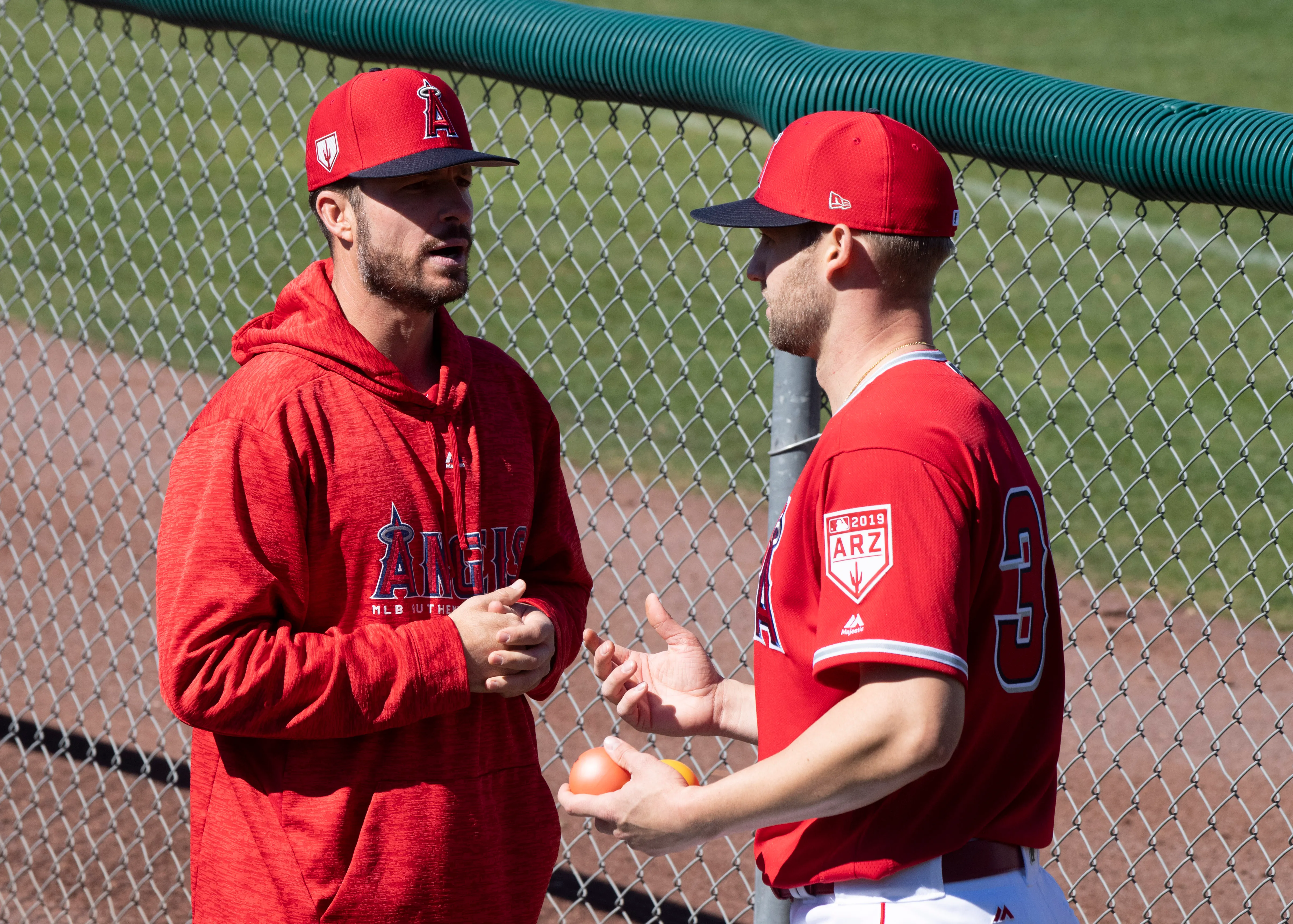
In Episode 182 of The Mental Mettle Podcast, I sit down with Douglas White, former Major League Baseball pitching coach and founder of Soul Integrated Athletics. After 17 years coaching in professional baseball, including roles with the Houston Astros and Los Angeles Angels, Douglas now helps athletes develop emotional awareness to support their performance and personal growth.
Our conversation challenges the idea that toughness requires shutting down feelings. Instead, we explore a different question: What might athletes gain by becoming more aware of their emotions rather than fighting against them?
Mental Toughness Is Not Emotional Suppression
Douglas approaches coaching by helping athletes examine their relationship with their emotions. Rather than immediately labeling a feeling as good, bad, strong, or weak, he encourages them to observe it and get curious about the thoughts and interpretations connected to it.
That distinction is central to this episode. We discuss the connection between thoughts, emotions, physical responses, and performance—and why understanding an athlete as a person matters more than simply telling them to “be tougher.”
Douglas also explains how he begins this work: asking athletes to notice their thoughts and the emotions that accompany them. It is a starting point for self-understanding, not a demand to feel positive all the time.
Is Your Inner Voice a Teammate You Would Want?
One of my favorite parts of the conversation is Douglas’s encouragement to become your own best friend.
That does not mean abandoning accountability or pretending every performance went well. It means questioning whether ridicule and relentless self-criticism are actually helping you improve. We explore how athletes can respond to mistakes without turning a disappointing moment into a judgment of their worth.
A useful question from our conversation: Is your inner voice a teammate you would want beside you?
If the answer is no, that relationship deserves attention, too.
Coaches Can Challenge Without Becoming the Adversity
Another takeaway captures something I believe deeply:
There is enough adversity in sports that the coach doesn’t have to be the adversity.
Coaches still need to challenge athletes, maintain standards, and hold them accountable. But we discuss the difference between standing beside an athlete to help them navigate difficulty and becoming another obstacle they must overcome.
Douglas encourages coaches to replace immediate judgment with curiosity. Asking what an athlete was thinking or feeling can open a conversation that a reprimand alone might never reach. We also acknowledge that coaches have emotions of their own—and that developing their own awareness is part of the work.
Inside Episode 182
In this conversation, we explore:
- Why mental toughness is not the same as suppressing emotions.
- How Douglas uses emotional awareness in his coaching.
- The relationship between thoughts, feelings, and physical responses.
- Building a more constructive inner voice.
- Responding to mistakes without spiraling into self-criticism.
- Choosing curiosity over judgment.
- Challenging athletes while supporting their growth as people.
Listen to Episode 182: The Soul of Mental Toughness with Douglas White for a conversation that invites athletes, coaches, and parents to rethink what strength can look like.
Connect With Douglas White
Learn more about Douglas’s emotional awareness coaching at Soul Integrated Athletics, or follow @soulintegratedathletics on Instagram. His work focuses on helping athletes understand their emotions, respond to setbacks, and develop greater self-awareness on and off the field.
Develop Your Mental Skills With Mental Mettle Coaching
At Mental Mettle Coaching, we help athletes, coaches, and teams build confidence, develop practical mental tools, and prepare to face adversity with intention. Services include individual athlete coaching, team coaching, and professional development.
Visit Mental Mettle Coaching, email coachthomann@gmail.com, or schedule a free informational session to explore how coaching might help.
If this conversation resonates with you, subscribe to The Mental Mettle Podcast and share the episode with another coach, athlete, or parent.
Forge Your Mettle.
Are you ready to forge your mettle?
More From Mental Mettle

Episode 181: Protect the Process: Inside the Mental Coaching of USA Paralympic Shooter Jadon Nafziger

Episode 180: High Expectations and Zero Expectation with East Peoria Baseball Coach Matt Plummer
Episode 179: Sports Are a Platform, Not a Purpose with Tanner Field of B-Third Athletics

The Mental Skills Athletes Need Most: Turning “Be Tougher” Into a Trainable System
Episode 178: Authenticity, Adaptability, and Faith | Matt Bollant on Coaching