
Episode 154: Secrets Behind the Third Skill Set: Mental Performance

Most athletes train hard in two areas: sport skills and strength. But there’s a third skill set that often gets ignored, and it may be the one that matters most when pressure hits. In Episode 154 of The Mental Mettle Podcast, Coach Matt Thomann breaks down the real difference-maker in sports performance: mental performance.
This episode is a deep, practical look at how athletes can train their mindset on purpose instead of leaving confidence, composure, and resilience up to chance. Coach Thomann explains why the third skill set is the hidden edge behind consistent peak performance and how Mental Mettle Coaching helps athletes build it through recognition, repetition, and a clear system.
The third skill set
Coach Thomann opens the episode by challenging a common gap in sports development: athletes spend hours training their bodies and sport-specific skills, but very little time intentionally training their minds. He calls mental performance the “third and crucial skill set,” the missing piece that helps athletes bridge the gap between practice and game execution. That idea is the backbone of the entire episode, and it sets the stage for a much bigger conversation about confidence, control, and composure.
The message is simple but powerful: if you are not training your mindset, you are leaving potential on the table. Mental skills are not extra, and they are not soft. They are a trainable part of performance, just like speed, strength, and mechanics.
Neuroplasticity in sports
One of the most important ideas in the episode is neuroplasticity — the brain’s ability to reorganize and form new pathways. Coach Thomann explains that athletes can literally rewire the way they think, respond, and talk to themselves over time. That means confidence, calm, and resilience are not just personality traits; they are skills that can be developed intentionally.
He also makes it clear that change does not happen by accident. The two keys are recognition and repetition. First, an athlete has to recognize what needs to change, and then they have to repeat new thoughts, habits, and responses long enough for those new patterns to stick.
What athletes can control
A major theme in the episode is learning to stop wasting energy on things athletes cannot control. Coach Thomann breaks this down into a practical framework that helps athletes focus on what they think, what they say, and what they do. That shift matters because athletes who chase uncontrollables often lose confidence, get stuck in frustration, and spiral mentally.
This is where the episode becomes especially useful for coaches and parents too. The language we use around mistakes, outcomes, and adversity can either help an athlete grow or feed anxiety. Coach Thomann shows how mental performance coaching helps athletes redirect their attention toward the things that actually move performance forward.
ACE and self-talk
The episode also introduces the ACE Framework: Attitude, Communication, and Effort. Coach Thomann explains that one athlete’s focus words became the foundation for ACE, and now it is part of the system he teaches to others. It is a simple but memorable way to help athletes keep their mindset centered on the right things.
He also dives into self-talk, which he describes as one of the most important tools in mental performance. Many athletes are already very familiar with negative inner dialogue, but not with a strong, constructive positive voice. That is why changing self-talk is such a major part of the work, and why it often takes time, repetition, and accountability to become natural.
Positive toughness and gratitude
Coach Thomann pushes back against fake positivity and empty slogans, offering something he calls positive toughness instead. He explains that gratitude and positivity are not soft; they are forms of training that help athletes build resilience before adversity shows up. In other words, mental toughness is not about pretending everything is fine — it is about preparing the mind to handle what is hard.
That same idea shows up in how he talks about values and burnout. When athletes are misaligned with what matters most to them, frustration follows. When they learn to live in line with their values, they often rediscover joy, purpose, and steadier performance.
Why this matters
This episode is for athletes who overthink, choke under pressure, or struggle with confidence. It is also for parents who are trying to help but are not sure what to say, and for coaches who know they need more than “be mentally tough” if they want real change. Coach Thomann gives listeners a clear picture of what mental performance coaching looks like and why it works.
He also shares personal insight from his own journey through cancer, stroke, PTSD, and panic attacks, showing that the same tools he teaches athletes also helped him rebuild his own mindset and life. That personal connection gives the episode real weight and makes the message feel lived-in, not theoretical.
Listen and learn
Episode 154 is a strong next step for anyone interested in sports psychology, confidence training, and athlete development. It explains the third skill set in plain language, gives practical tools coaches can use, and shows why mental performance belongs in every serious training plan.
If you work with athletes, support one at home, or compete yourself, this episode will give you a clearer understanding of how mindset affects everything from performance to joy in the sport. For parents, the episode also connects naturally to the free Resilient Parent’s Playbook, and for schools or teams, it opens the door to Mental Mettle coaching and professional development.
Are you ready to forge your mettle?
More From Mental Mettle

Why Individual Mental Performance Coaching Matters for Athletes

Ember to Inferno: Building Mentally Tough Athletes Through Coach Development

Episode 111: Tips for Mastering the Mental Game with Coach Brandon Beery

Episode 153: From "Raging Psychopath" to Transformational Coach with Lee Mateer
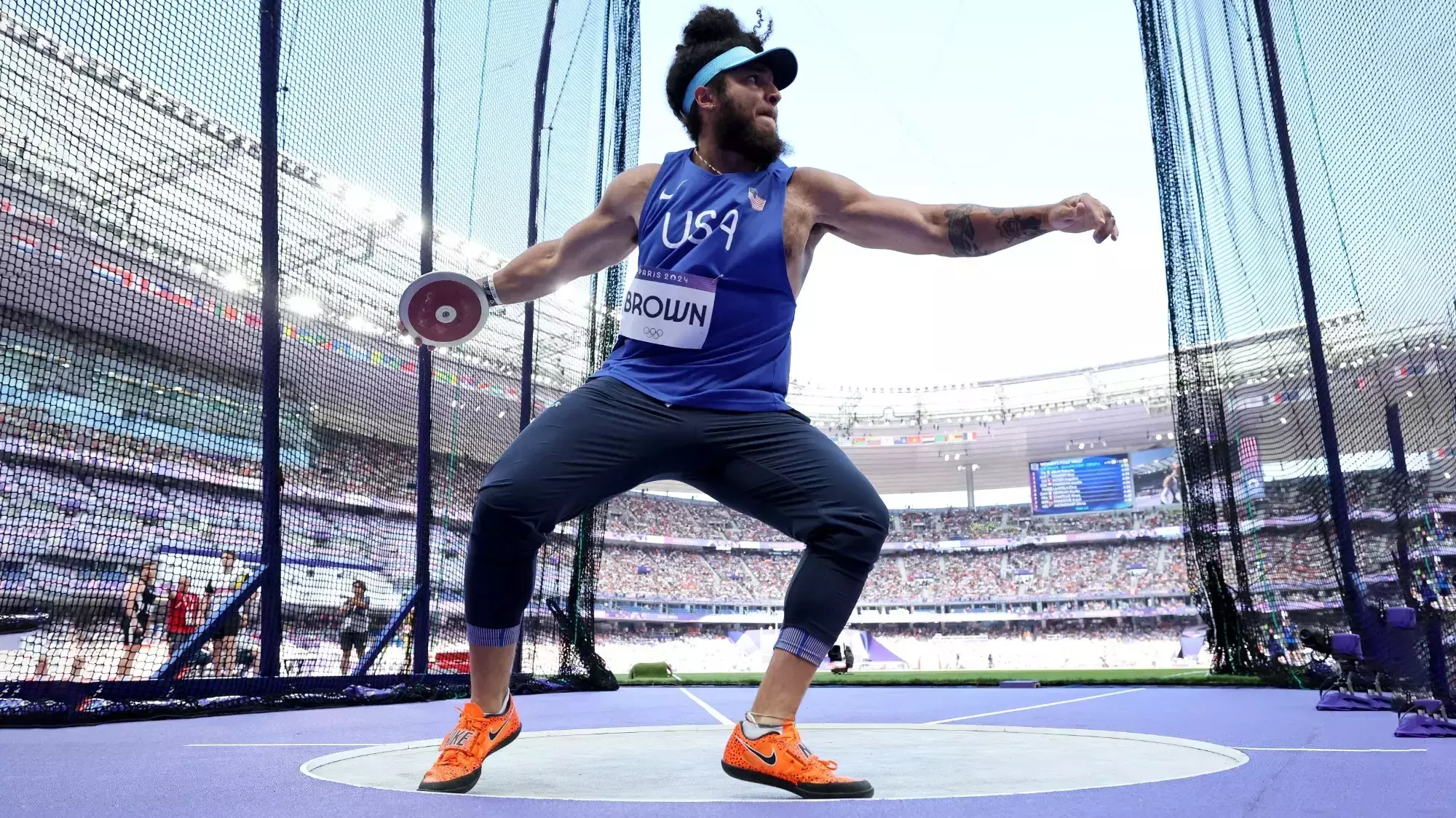
Episode 152: "Throwing it into the pole" with Olympian Joe Brown
